


Indoor Plant Propagation for Beginners

Selected theme: Indoor Plant Propagation for Beginners. Learn simple, reliable methods to multiply your favorite houseplants, build confidence with each new root, and grow a thriving indoor jungle from cuttings, divisions, and leaves. Subscribe, comment, and share your progress to cheer on fellow beginners.

Propagation Basics for First-Time Growers

Choose robust parent plants

Select a disease-free, vigorously growing parent plant with firm stems and well-defined nodes or offsets. Avoid stressed or recently repotted specimens. Healthy mother stock roots faster, resists pathogens, and gives beginners a forgiving margin while they learn timing, hydration, and gentle handling techniques.

Perfect moments to take cuttings

Take cuttings during active growth, usually spring through early summer, when light increases and energy surges. Morning harvests reduce wilt. Look for semi-soft stems, not woody or floppy tissue, and keep segments short enough to balance water uptake without toppling in jars or starter pots.

Three Beginner-Friendly Methods

Place pothos, philodendron, or tradescantia cuttings in room-temperature water, submerging nodes, never leaves. Change water weekly, keep bright indirect light, and wait for crisp white roots about two to three inches long before potting. Share progress photos to compare root textures, timelines, and your favorite jars.

Three Beginner-Friendly Methods

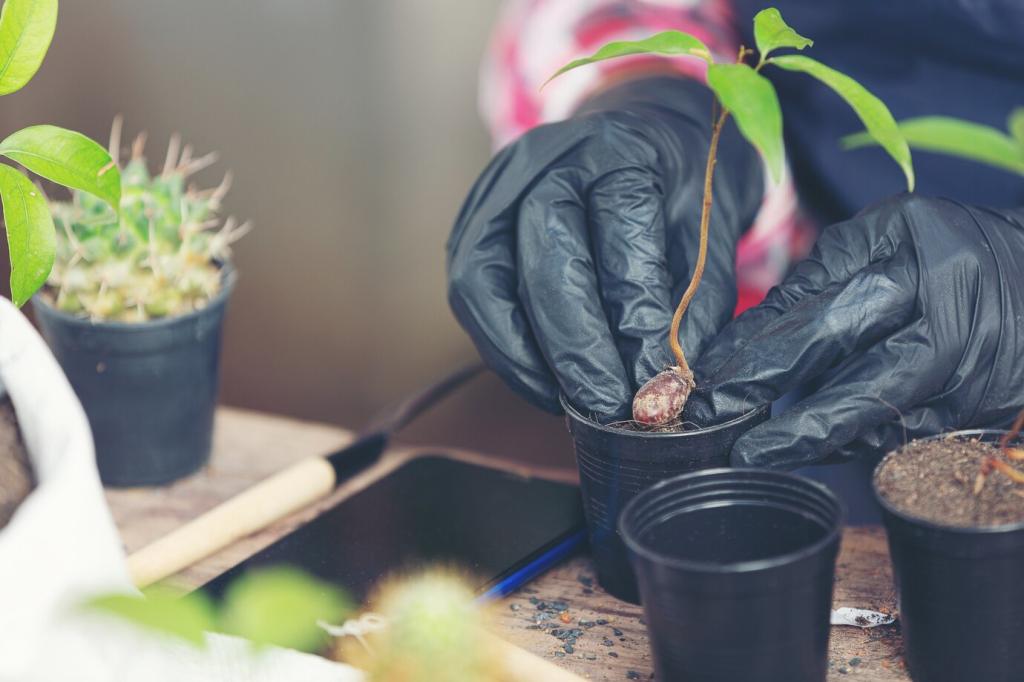
Peace lilies, snake plants, and ZZ plants divide cleanly. Unpot gently, tease apart natural clumps, and retain roots on each piece. Replant snugly, water lightly, and provide steady light. Division creates instant plants, perfect for gifts, swaps, and building confidence early in your indoor plant propagation journey.

Rooting Mediums, Containers, and Light

Water, soil, perlite, or moss?

Water offers visibility and easy monitoring; soil builds transition-ready roots; perlite or pumice keeps oxygen high; sphagnum moss balances moisture. Split one parent plant into several trials to compare speed, thickness, and transplant shock. Record results to refine your go-to method for indoor plant propagation.

Best containers and labeling habits

Use clear jars for observation, nursery pots with drainage for soil trials, and shallow trays for succulents. Label species, date, and propagation method. These simple habits prevent confusion, support consistent care schedules, and help beginners replicate wins instead of relying on fuzzy memories later.

Light that powers propagation

Bright, indirect light fuels photosynthesis without scorching tender tissues. A sheer curtain or a north-facing window works well. Reliable LED grow lights on timers stabilize short winter days, smoothing learning curves and keeping your indoor plant propagation results steady, predictable, and genuinely beginner-friendly.

Troubleshooting: From Rot to Slow Roots

Avoid burying nodes too deep, maintain airflow, and use sterile tools. Let cut ends callus if the species prefers. If water clouds quickly, rinse and refresh. A small peroxide rinse can boost oxygen. Most rot stems from excess moisture and stagnant conditions, not bad luck or poor genetics.

Potting up at the right moment

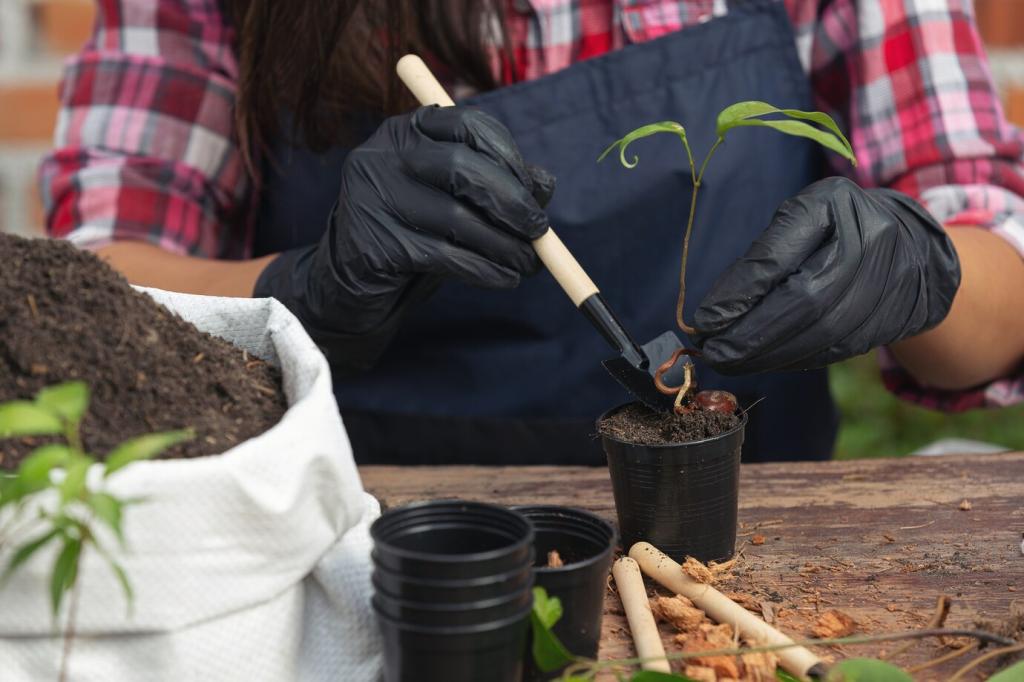
Move cuttings when roots are branching and several inches long. Use a small pot to prevent a soggy mix, and water thoroughly once to settle medium. Provide soft light, then gradually increase. Early restraint reduces shock and keeps growth sturdy instead of stretched or brittle.

Acclimating humidity and airflow

After domed starts, open vents daily, then remove covers entirely over a week. Increase airflow with a gentle fan. This acclimation strengthens stems, thickens leaf cuticles, and dramatically reduces post-transplant wilt, building beginner confidence with visible improvements in durability and posture.

Feeding and shaping young plants

Wait three to four weeks before feeding a diluted, balanced fertilizer. Pinch leggy tips to encourage branching. Rotate pots for even light. These small rituals transform rooted cuttings into compact, thriving houseplants that reflect your style without expensive purchases or complicated equipment.

Stories and Wins from the Community

01
My grandma’s pothos traveled in a jam jar during a move, rooting the whole way. Each new plant became a housewarming gift. Share your origin story below, and help map how one humble vine spreads hope through kitchens, dorm rooms, and tiny balconies everywhere.
02
We salvaged a neglected spider plant from the break room, multiplied plantlets, and brightened every desk. The weekly photo thread kept us accountable. Start your own mini club and tag us; beginners learn fastest when encouragement arrives with coffee, laughter, and a handful of sturdy roots.
03
Grocery basil wilts quickly, yet fresh stem cuttings in water thrive under bright light. Our readers rooted entire bouquets, then harvested pestos all summer. Tell us your edible propagation wins, and subscribe for seasonal herb projects that keep windowsills delicious and endlessly renewable.

Your Next Step: Track, Share, Subscribe

Use a notebook or notes app to track species, method, date, and outcomes. Patterns appear quickly, revealing best practices for your home’s light and humidity. Share templates in the comments so other beginners benefit from your discoveries and improve their success rates together.

Your Next Step: Track, Share, Subscribe

Swap lists connect beginners with generous plant parents. Post what you can trade, from snake plant divisions to philodendron nodes. Community swaps broaden your collection and experience without cost, while teaching respectful sourcing and safe, pest-conscious exchange etiquette for every participant.
Blissbuyershop
Privacy Overview

This website uses cookies so that we can provide you with the best user experience possible. Cookie information is stored in your browser and performs functions such as recognising you when you return to our website and helping our team to understand which sections of the website you find most interesting and useful.