






Indoor Plant Propagation: A Comprehensive Guide

Chosen theme: Indoor Plant Propagation: A Comprehensive Guide. Welcome to a friendly, hands-on journey where cuttings, divisions, and tiny roots become daily miracles on your windowsill. Dive in, ask questions, and subscribe for indoor propagation tips that meet you at every stage.

Saving Stories in Green

A single pothos cutting from my grandmother’s kitchen window now cascades across my bookshelf, a living archive of family afternoons. Propagating indoors preserves cherished plants, multiplies memories, and invites you to share meaningful cuttings with friends. Share your story and inspire another grower.

Sustainable Jungle on a Budget

Instead of buying new plants, propagate favorites to fill shelves, brighten rooms, and gift rooted cuttings. You reduce waste, avoid shipping stress, and tailor each plant’s growing conditions. Comment with your best budget propagation win and help another plant lover get started today.

Foundations: Nodes, Auxins, and Growth

Successful propagation hinges on biology: nodes harbor dormant growth points, auxins signal roots to form, and clean cuts prevent disease. Indoors, you control humidity, light, and warmth precisely. Ask in the comments if you are unsure whether a stem has a true node before cutting.

Tools, Hygiene, and Setup

Sterilize scissors or pruners with isopropyl alcohol before each cut, and wipe again between plants to prevent cross-contamination. A sharp blade reduces crushing, which speeds healing and root initiation. Share your preferred sterilizing routine so newcomers can learn practical, reliable habits.

Tools, Hygiene, and Setup

A bright shelf, clear jars, labeled tags, and trays of perlite or sphagnum moss create an inviting, organized station. Add a small fan for airflow, and place a hygrometer to monitor humidity. Post a picture of your setup and subscribe for monthly station optimization checklists.

Stem Cuttings: Nodes, Timing, and Technique

Locate a true node—often a bump or ring where leaves and aerial roots emerge—and cut just below it at a slight angle. Remove lower leaves to prevent rot and keep only two or three. Ask below if your plant’s node placement feels confusing; we will clarify together.

Stem Cuttings: Nodes, Timing, and Technique

Most houseplants root faster in warm, bright seasons. Indoors, mimic spring by providing stable warmth and long days with grow lights. Avoid rushing; roots need time. Share how long your last cutting took to root so others can set realistic expectations and avoid needless worry.
Water propagation lets you watch roots emerge like tiny comets, building confidence and timing for potting up. Change water regularly, keep nodes submerged, and shield jars from harsh midday sun. Share your most photogenic root progress and encourage a beginner to try their first jar.
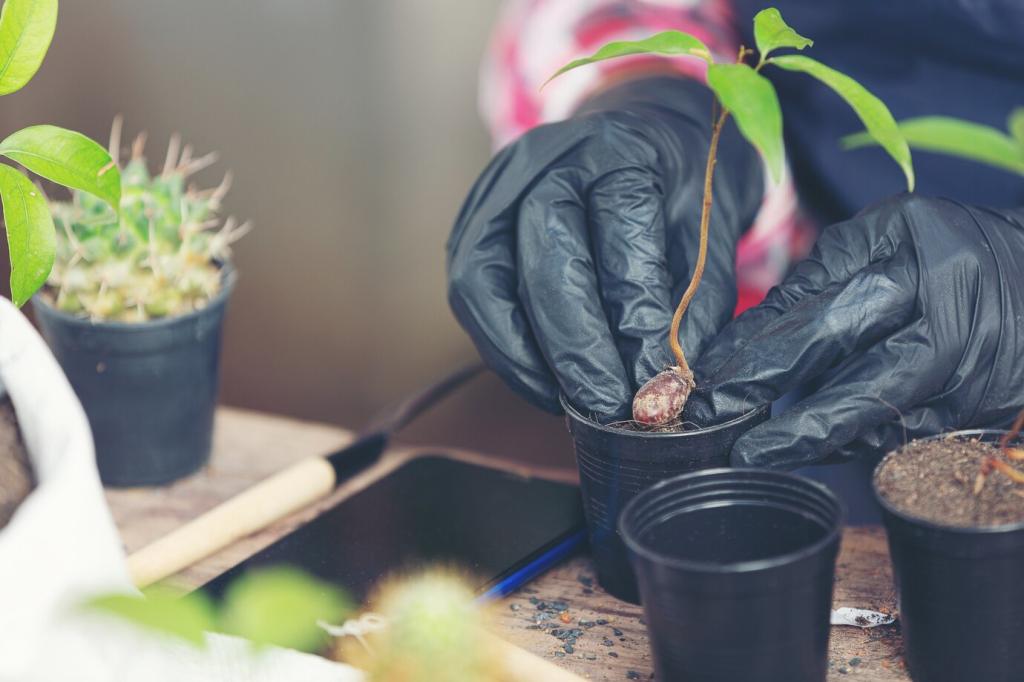
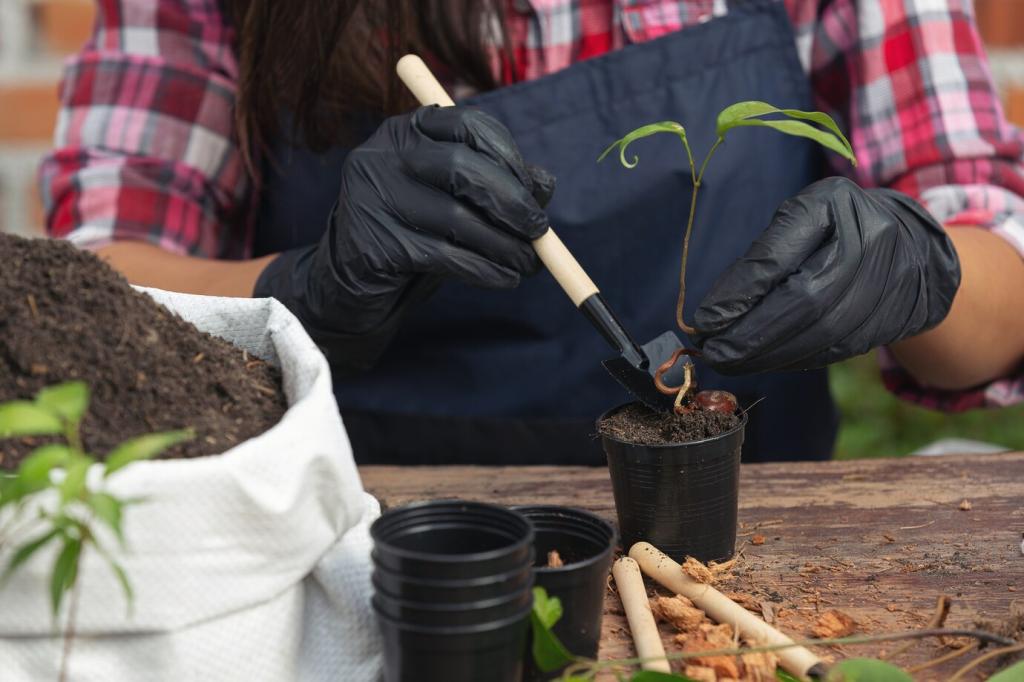
Soil propagation skips the water-to-soil transition, producing sturdier, soil-adapted roots from the start. Use a loose, airy mix, maintain even moisture, and avoid overwatering. Comment with plants that excelled in soil for you, and help others choose the right method confidently.
Water roots are delicate and can struggle in dense potting mixes. Harden off by gradually increasing exposure to air, then pot into a light, well-draining medium. Mist lightly, keep humidity steady, and be patient. Share your best transition trick so fewer cuttings stall.

Special Methods: Division, Leaf Cuttings, and Air Layering

Peace lilies, snake plants, and calatheas often divide beautifully. Gently loosen roots, separate natural clumps, and trim damaged roots. Repot with care and water in to settle. Tell us which clumper divided easiest for you, and subscribe for a seasonal division calendar tailored to home growers.

Environment Matters: Light, Humidity, and Temperature

Place cuttings near an east window or under gentle grow lights, avoiding scorching midday rays. More light increases photosynthesis but must not overheat tender tissues. Share your lighting setup, and subscribe for our practical guide to dialing in hours and distance for different cuttings.

Environment Matters: Light, Humidity, and Temperature

Domes and plastic covers boost humidity, reducing leaf wilt during root formation. Vent daily to prevent mold, and ensure a light breeze for resilience. Tell us how you balance moisture and airflow, and help beginners avoid the common mildew trap while keeping cuttings perky.

Hardening Off and Gentle Watering

Once potted, reduce humidity gradually and introduce brighter light slowly. Water by need, not schedule, letting the top layer dry slightly. Celebrate small milestones. Share how you eased your last cutting into adulthood, and subscribe for reminders that keep aftercare simple and kind.

Reading Roots and Leaves

White, firm roots signal health; brown mush suggests rot and poor oxygen. Leaves that curl or yellow may need adjusted light, humidity, or nutrition. Post a photo and describe conditions, and the community can help you diagnose issues compassionately and quickly.

Avoiding Common Pitfalls

Overhandling, soggy media, and unsterilized tools sabotage progress. Resist tugging, label everything, and keep a simple log of dates and changes. Comment with your most valuable lesson learned the hard way, so others can skip the mistake and enjoy smoother propagation wins.

Community, Swaps, and Ongoing Inspiration

Offer pest-free, clearly labeled cuttings and be honest about rooting stage. Share care notes, and pack thoughtfully for safe travel. Tell us your favorite swap experience and what you learned, inspiring kinder, more reliable exchanges across our indoor propagation community.

Community, Swaps, and Ongoing Inspiration

Photograph nodes, first roots, and potting-up moments. A simple weekly snapshot helps you notice patterns and troubleshoot. Post your latest progress thread, and invite feedback. Subscribe to our monthly roundup featuring standout propagation diaries and practical takeaways for everyone.
Blissbuyershop
Privacy Overview

This website uses cookies so that we can provide you with the best user experience possible. Cookie information is stored in your browser and performs functions such as recognising you when you return to our website and helping our team to understand which sections of the website you find most interesting and useful.