
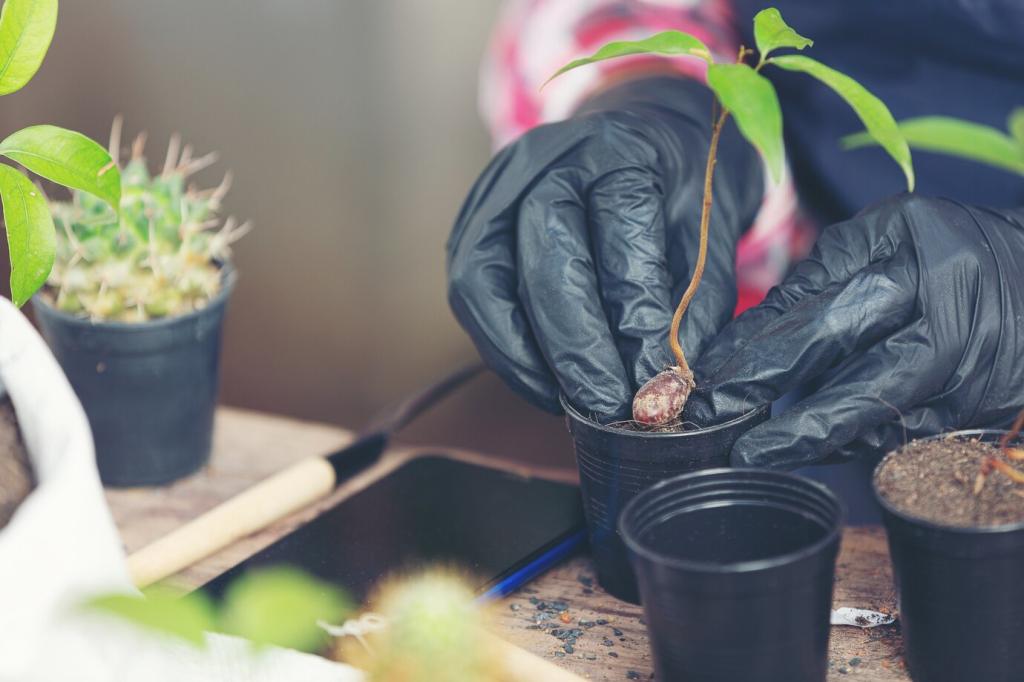
Best Methods for Indoor Plant Propagation: Multiply Your Green Oasis

Chosen theme: Best Methods for Indoor Plant Propagation. Welcome home, plant lovers! Today we’ll explore proven, friendly techniques for cloning your favorite houseplants with confidence. Follow along, share your experiments in the comments, and subscribe for fresh propagation ideas every week.

Propagation Essentials: Tools, Timing, and Plant Health

Start Sterile, Stay Successful

Clean tools and containers prevent invisible pathogens from sabotaging cuttings. Sterilize blades with alcohol, rinse propagation jars, and wash hands. Fresh, angled cuts, clean water, and labeled dates dramatically increase strike rates and make troubleshooting simpler later, especially for beginners.

Timing Your Cuts

Take cuttings during active growth, typically late spring through summer, when plants have energy to push roots. Avoid deep winter unless you use grow lights and gentle bottom heat. If the parent looks stressed or droopy, pause and improve care before propagating.

Selecting the Parent Plant

Choose vigorous, pest‑free plants with strong, well-lit growth for the best genetic start. Avoid flowering or recently repotted specimens since they’re already allocating resources. Healthy leaves, firm stems, and consistent hydration make rooting faster and reduce post-propagation setbacks significantly.

Water vs. Soil Cuttings: Finding Your Best Route

Water rooting lets you see progress: new nodes swell, root nubs appear, and white roots elongate. Change water weekly, keep jars bright but not hot, and add an air gap for oxygen. Remember, water roots are softer and need gentle transitioning to soil.

Water vs. Soil Cuttings: Finding Your Best Route

Use an airy mix: two parts perlite or pumice to one part coco coir or peat. Firm the cutting gently, water lightly, and cover with a clear dome for humidity. Bottom watering and minimal disturbance encourage tougher, soil-ready roots from day one.

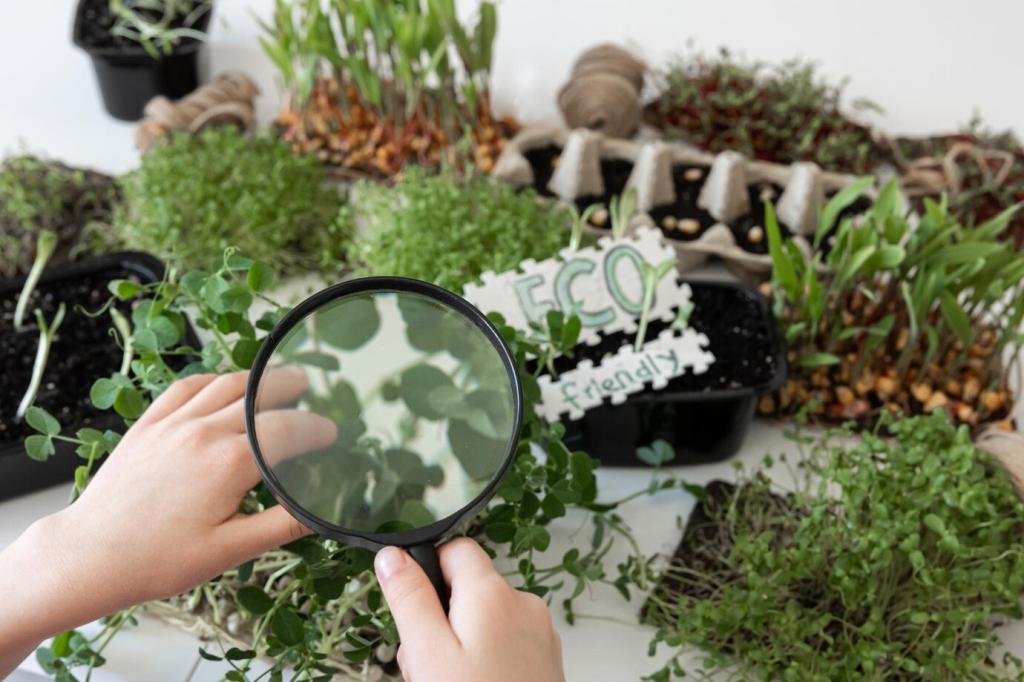
Leaf and Node Magic: Succulents, Aroids, and Begonias

Gently twist off a healthy leaf, ensuring a clean base, and let it callus for several days. Place on gritty mix and mist sparingly. Tiny rosettes appear with time. My slowest echeveria took eight weeks, but produced three perfect babies worth the wait.

Leaf and Node Magic: Succulents, Aroids, and Begonias

Aroids like pothos, philodendron, and monstera require a node—look for a bump or aerial root nub. Cut below the node, root in water or moist sphagnum, and keep humidity steady. New growth emerges from the node, not the leaf petiole itself.

Division and Offsets: Quick Clones Without Guesswork

Expose rhizomes, separate with a sterile knife, and allow cut surfaces to dry briefly before potting in a gritty, fast-draining mix. Water lightly at first. Root systems reestablish quickly, and each division often resumes growth within weeks under bright, indirect light.

Division and Offsets: Quick Clones Without Guesswork

Root plantlets while still attached by resting them on moist soil in a nearby pot. Once you see established roots, snip the runner. This method rooted faster than water for me, and my childhood windowsill filled with cheerful, arching leaves all summer.

Air Layering and Semi-Hydro Tricks

Make a small upward cut, insert a toothpick, pack with damp sphagnum, and wrap with plastic to retain moisture. Roots appear in weeks. Sever below the ball and pot. My legginess problem vanished, and the top grew into a compact, bushier plant.

Air Layering and Semi-Hydro Tricks

Encourage aerial roots to grab a moist moss pole, then wrap a node to pre-root. Later, cut below the rooted node for a nearly guaranteed start. This produces fuller plants faster and preserves variegation by propagating from the best sections.

Air Layering and Semi-Hydro Tricks

Place cuttings in rinsed LECA with a mild nutrient solution below the root line. Capillary action keeps roots oxygenated and evenly moist. I’ve seen fewer rot issues and quicker root branching, especially with philodendron, when compared to water alone.

Air Layering and Semi-Hydro Tricks

Lorem ipsum dolor sit amet, consectetur adipiscing elit. Ut elit tellus, luctus nec ullamcorper mattis, pulvinar dapibus leo.

Acclimation and Hardening Off Indoors

Gradually open humidity domes, increase airflow, and introduce gentle air movement from a fan. Keep temperatures stable. If leaves droop, close the dome temporarily. Small tweaks over a week prevent shock and encourage sturdy, resilient new growth with minimal setbacks.

Lighting for Young Plants

Bright, indirect light fuels growth without scorching fresh leaves. Grow lights set to twelve to fourteen hours help winter cuttings. Watch leaf color: pale means more light needed, crisping means too much. Adjust height and duration slowly to avoid sudden stress.

Water, Feeding, and Patience

Water when the top inch dries for most species, and begin a diluted fertilizer regimen after you see active new growth. Resist overloving your cuttings. Celebrate each milestone—a new leaf, a branching root—and tell us about your victories and lessons learned.
Blissbuyershop
Privacy Overview

This website uses cookies so that we can provide you with the best user experience possible. Cookie information is stored in your browser and performs functions such as recognising you when you return to our website and helping our team to understand which sections of the website you find most interesting and useful.